Center for Breast Cancer
The Center for Breast Cancer at Smilow Cancer Hospital and Yale Cancer Center provides coordinated, state-of-the-art care for patients with benign and malignant diseases of the breast. For patients diagnosed with breast cancer, we offer dedicated care, innovative treatment options, and cutting-edge research. A great deal of progress in the detection and treatment of breast cancer has been made in recent years, and our physicians are on the leading edge of finding even better solutions.
Women with a diagnosis of breast cancer are cared for by a multidisciplinary team of physician specialists, including radiologists, breast surgeons, medical oncologists, radiation oncologists, pathologists, and plastic surgeons.
From the tranquility of the building, to our complementary therapy services, to the most sophisticated personalized therapies and equipment available, Yale is committed to tailoring treatment to our patients to ensure they have the best experiences possible during their time in our care.
Our Services
Breast Surgery
Medical Oncology
Radiation Therapy
Reconstructive Surgery
Reconstructions vary from placement of a simple implant to complex reconstructions using natural tissue from the abdomen, thigh, or back. Careful attention is given to achieve the best possible cosmetic result and quality of life, without compromising the chance of cure. In each case, the approach is customized to best fit each patient’s needs and goals.
Our plastic and reconstructive surgeons have adopted an Enhanced Recovery pathway (ERAS), for all DIEP and free flap breast reconstruction surgeries. The pathway encourages the use of regional anesthesia and multimodal pain management techniques to reduce the need for opioids after surgery. Studies at Yale and at other centers have seen a significant reduction in opioid use, while still adequately managing post-operative pain. Using multiple methods for managing post-op pain can reduce unwanted side effects of opioids and enables the patient to feel better faster and go home sooner.
What to consider before getting breast implants: New guidelines from the FDA
Pathology
Breast Imaging
The Breast Imaging Center does approximately 89,000 breast studies each year including 50,000 screenings, 10,000 diagnostic tests, 900 MRIs, and 3,000 various procedures. The newest technology, digital tomosynthesis, creates a three-dimensional picture using breast X-rays for review. This allows our radiologists to look very closely at the breast tissue, often minimizing the need for repeat mammograms. In addition, we offer ultrasound and 3-Tesla breast MRI.
Patient Support Services
Genetic Counseling and Testing
Outcomes
Yale Cancer Center and our partner, Smilow Cancer Hospital, acknowledge the seven American Society of Clinical Oncology (ASCO) and National Comprehensive Cancer Network (NCCN) evidence-based quality guidelines for breast and colorectal cancers.
The latest performance data for breast center is listed here.
Breast Center Members
Fact Sheets
Survivor Stories






News from Center for Breast Cancer
- Everyday Health
Clinical Trials for Metastatic Breast Cancer: What You Need to Know
- SurvivorNet
Targeted Therapy Revolution: For People With Cancers That Have A Special Factor Called HER2, The Drug Enhertu Is Now Approved Across Tumor Types- What To Ask Your Doctor
- The New York Times
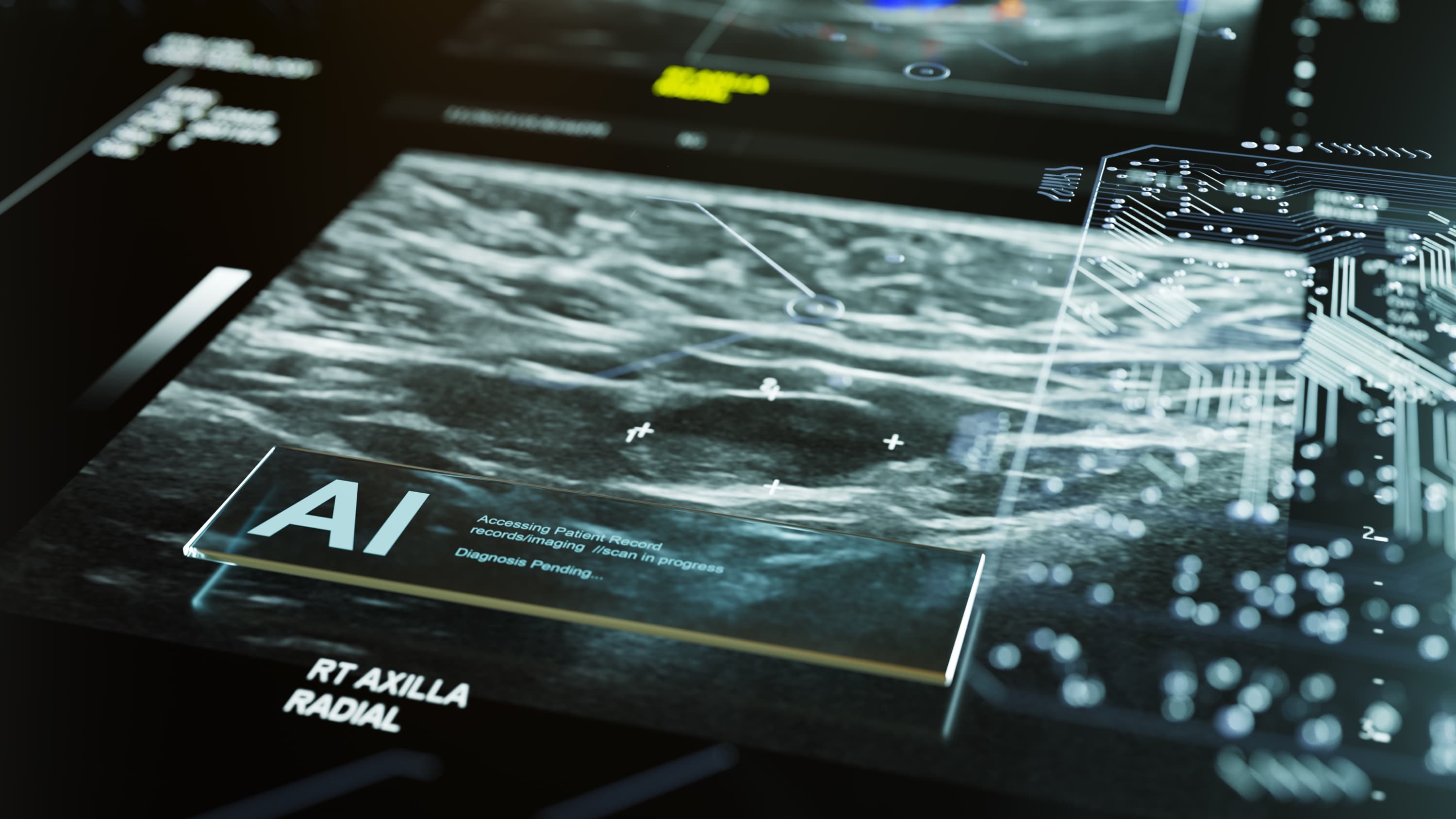
Is That A.I. Mammogram Worth the Cost?
Breast Cancer Trials
- Breast Cancer
A Phase 1b/2, Open-Label Umbrella Study To Evaluate Safety And Efficacy Of Elacestrant In Various Combination In Patients With Metastatic Breast Cancer
- Breast Cancer
A Phase 3, Open-label, Randomised Study of Datopotamab Deruxtecan (Dato-DXd) Versus Investigator's Choice of Chemotherapy in Patients Who Are Not Candidates for PD-1/PD-L1 Inhibitor Therapy in First-line Locally Recurrent Inoperable or Metastatic Triple-negative Breast Cancer (TROPION Breast02)